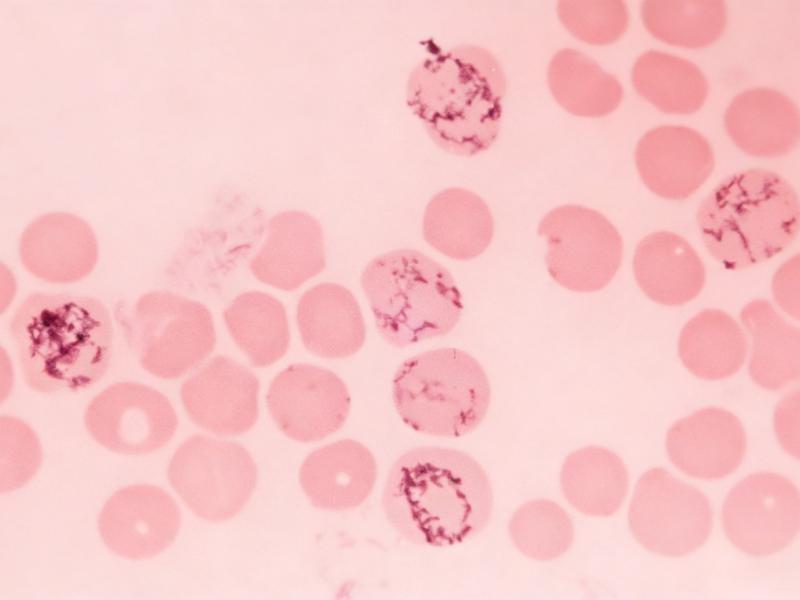
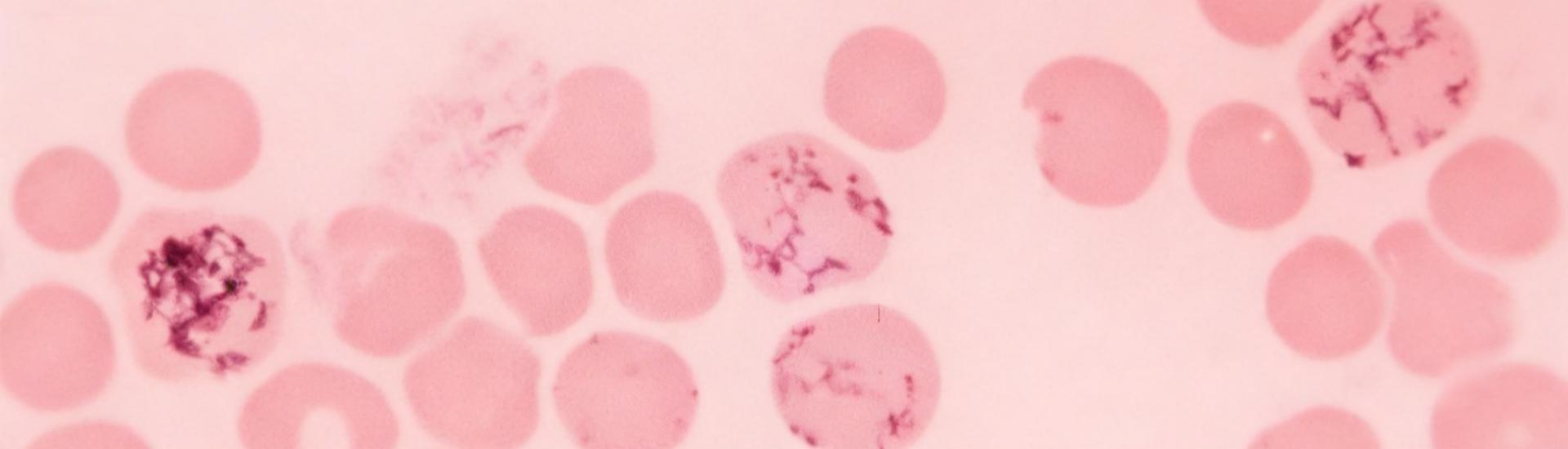
 Reticulocyte (RET) analysis plays a critical role in veterinary hematology by providing direct insight into bone marrow activity.
By measuring immature red blood cells in circulation, clinicians can better understand whether anemia is regenerative or non-regenerative, enabling more accurate diagnosis and treatment decisions.
What is Reticulocyte (RET)?
Reticulocytes are immature red blood cells recently released from the bone marrow. They contain residual RNA, which can be detected using fluorescence-based methods.
An increased reticulocyte count indicates active red blood cell production, while low levels may suggest reduced bone marrow response.
Clinical Value of RET
I.Anemia Classification
RET analysis helps distinguish between:
· Regenerative anemia: increased RET (e.g., blood loss, hemolysis)
· And non-regenerativeanemia: low RET (e.g., bone marrow suppression, chronic disease)
II.Early Detection of Bone Marrow Response
Reticulocytes increase earlier than RBC or HGB recovery, making RET a sensitive indicator of bone marrow regeneration.
III. Treatment Monitoring
RET levels can be used to evaluate response to therapy, such as:
· Iron supplementation
· Treatment of underlying disease
· Post-transfusion recovery
RET Parameters
Modern analyzers provide additional RET indices such as:
· RET-HE: hemoglobin content in reticulocytes
· IRF: immature reticulocyte fraction
· LFR / MFR / HFR: RNA content-based classification
These parameters offer deeper insights into erythropoiesis and anemia progression.
Summary
Reticulocyte analysis is an essential tool for modern veterinary diagnostics.
By providing early and reliable insight into bone marrow activity, RET helps clinicians improve anemia diagnosis, guide treatment decisions, and monitor patient recovery.